Tariffs are once again making headlines — and this time, they’re hitting American drivers where it hurts most: their wallets. The rising costs of imported materials and auto parts are beginning to impact the auto repair industry, threatening to make even routine vehicle maintenance significantly more expensive. While the full effect of these tariffs has yet to ripple through the economy, experts and industry insiders agree that consumers should brace for higher bills at repair shops in the coming months.
The Link Between Tariffs and Auto Repair Costs
To understand why car repair prices are expected to surge, it’s important to look at how tariffs work. A tariff is essentially a tax imposed by one country on imported goods. When the U.S. government raises tariffs on products such as steel, aluminum, or auto components, the cost of these goods increases — and those costs are inevitably passed down the supply chain to manufacturers, distributors, and ultimately, consumers.
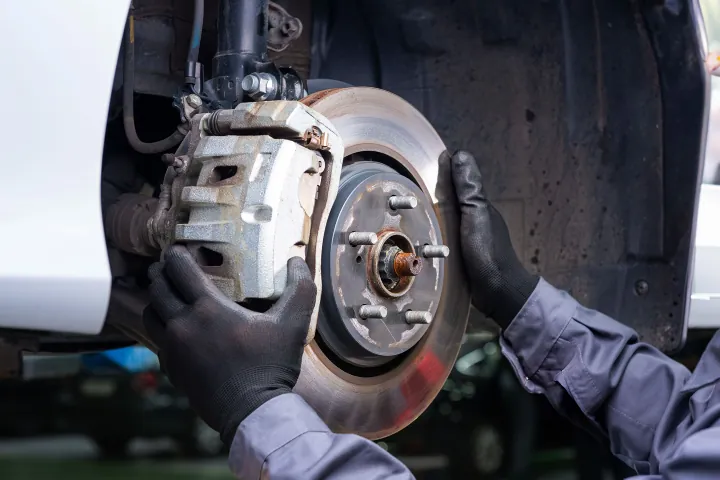
The automotive industry is particularly vulnerable because of its heavy reliance on global supply chains. Even vehicles assembled in the United States contain numerous foreign-made parts. From catalytic converters and brake rotors to steering pumps and sensors, countless components come from suppliers in countries like China, Mexico, and Canada. When tariffs are applied to those imports, repair costs rise almost immediately.
Why Certain Auto Parts Are Hit Harder Than Others
While some car parts are manufactured domestically, others are sourced primarily from overseas due to cost efficiency and specialization. Hydraulic power-steering pumps, for instance, are becoming increasingly rare in modern cars, as most new models now use electric power steering. Because of this shift, only a few manufacturers — many based in China — continue to produce hydraulic systems for older vehicles. When tariffs are imposed on Chinese imports, the price of these specialized components skyrockets.
A striking example is the potential jump in the cost of a catalytic converter, one of the most expensive parts in a car’s exhaust system. Industry experts estimate that prices could rise from around $1,500 to $2,500 due to tariffs on steel, aluminum, and other imported metals. This $1,000 difference could make a routine emissions repair financially painful for many car owners.
Even though the U.S. government has offered temporary relief or exemptions on certain auto-related tariffs, those measures haven’t completely shielded consumers. The tariffs on raw materials like steel and aluminum remain in place — and since these metals are used in everything from body panels to engine components, the cost impact is widespread and unavoidable.
The Delayed Impact: Why You Haven’t Felt It Yet
You might wonder why, despite months of tariff announcements, the prices at your local repair shop haven’t spiked yet. The answer lies in timing. Businesses typically absorb short-term fluctuations while waiting to see if tariffs will be lifted or adjusted. Many auto-parts companies had existing inventory purchased before the tariffs took effect, allowing them to delay price increases for a while.
However, as that older stock is depleted and suppliers adjust to the new trade environment, price adjustments are inevitable. Auto-parts distributors and repair shops will need to recalibrate their pricing to reflect higher costs from manufacturers, especially as new shipments arrive at tariff-inflated rates.
Industry Experts Warn of a Coming Cost Surge
According to industry leaders, the real effects of these tariffs will start to appear “just in time for the holidays.” This means consumers might face higher repair quotes by the end of the year. For drivers already grappling with inflation and rising fuel prices, this could make car ownership even more burdensome.
The CEO of a major U.S. auto parts supplier recently explained that many consumers haven’t yet noticed the price increase because it takes time for those costs to move through the supply chain. But by late 2025 and early 2026, the industry expects a noticeable shift. As tariffs remain in place and manufacturing costs climb, vehicle service centers and repair shops will have no choice but to pass these costs on to customers.
Why Domestic Alternatives Aren’t a Quick Fix
Some might assume that American-made parts could offset the issue. Unfortunately, it’s not that simple. The U.S. automotive parts manufacturing sector has shrunk over the past two decades, and domestic production cannot meet current demand. Re-establishing large-scale parts manufacturing would require significant investment and time — something the industry can’t achieve overnight.
Even when U.S.-based manufacturers do step up production, they still rely on imported raw materials like aluminum, copper, and rare earth elements. Since many of these materials are also subject to tariffs, the cost savings of local production are limited.
The Broader Economic Ripple Effect
Higher parts costs don’t just affect individual drivers — they ripple through the entire economy. Fleet operators, logistics companies, rideshare drivers, and small businesses that depend on vehicles for daily operations will all face increased expenses. Over time, this can lead to higher service prices, delivery costs, and transportation fees for consumers across multiple industries.
Insurance companies may also be affected. As repair costs rise, so do claim payouts, potentially leading to higher insurance premiums. Even routine repairs like replacing a bumper or fender could become significantly more expensive due to increased material costs.
What Consumers Can Do to Prepare
While consumers can’t control government trade policy, they can take steps to minimize the impact of higher repair costs:
- Stay on top of regular maintenance. Preventive maintenance helps avoid major repairs that rely on expensive imported parts.
- Shop around for quotes. Independent repair shops may offer lower labor rates than dealerships, even if part prices are similar.
- Consider aftermarket or remanufactured parts. These alternatives are often cheaper and can perform just as well as OEM parts — but check warranty terms carefully.
- Monitor policy updates. Tariff policies can change quickly depending on trade negotiations, elections, and global economic conditions.
Looking Ahead
If tariffs on auto parts, steel, and aluminum remain in place, car repair costs are expected to rise steadily into 2026. The U.S. auto repair industry, already grappling with labor shortages and supply chain disruptions, now faces another major hurdle. While some consumers may delay non-essential repairs or seek budget alternatives, safety-related maintenance can’t wait — and that means higher expenses are likely unavoidable.
In short, tariffs designed to protect domestic manufacturing could end up making vehicle ownership more expensive for millions of Americans. Unless trade tensions ease or domestic production ramps up significantly, your next visit to the mechanic might cost a lot more than you expect.