Customizing a car is more than a hobby — it’s an expression of identity, creativity, and passion. Whether you’ve invested in a high-performance engine swap, a custom paint job, or a one-of-a-kind audio system, your modifications often cost thousands of dollars and countless hours of labor. But what happens if your pride and joy gets into an accident? Will your insurance cover those expensive aftermarket parts, or will you be left footing the bill?
Understanding the Basics: Why Standard Insurance Often Falls Short
Traditional auto insurance policies are built for mass-market vehicles, not highly personalized machines. Most insurers base their coverage and claim payouts on the actual cash value (ACV) of a stock vehicle — meaning the car’s original market worth minus depreciation. Once you modify a car, you’re changing its value, performance, and risk profile. Unless those modifications are declared and properly insured, they typically aren’t covered.
This creates a dangerous blind spot for many enthusiasts. If you don’t disclose your modifications, your insurer may view it as material misrepresentation, which can lead to a denied claim or even policy cancellation. In simple terms: if your car has aftermarket or custom parts, your base policy likely won’t protect them.
How to Insure Custom Parts and Modifications
Fortunately, there are ways to insure your custom or modified car correctly. The first and most common option is to add a custom parts and equipment (CPE) coverage endorsement to your existing policy. This add-on extends protection to aftermarket parts such as upgraded wheels, suspension systems, custom paint, sound systems, spoilers, or lighting upgrades.
However, these endorsements usually have strict coverage limits — often capped around $5,000 to $20,000, depending on the insurer. That might sound like a lot, but a single high-end turbo kit, carbon fiber bodywork, or widebody conversion can easily exceed that amount. To qualify for this add-on, most insurers require you to already carry comprehensive and collision coverage.
If your modifications are extensive or your car’s total build value exceeds standard limits, consider a specialty insurance policy tailored for modified or classic vehicles. Specialty insurers assess the car’s true customized value and offer coverage that reflects your investment, not the factory sticker price.
Specialty Insurance for Modified and Classic Cars
Enthusiasts who have invested heavily in their builds often turn to specialty insurers that understand the custom car market. These companies are equipped to evaluate unique modifications, rare parts, and non-factory configurations. Unlike standard insurers, they base premiums and payouts on your vehicle’s agreed-upon or appraised value — not on depreciation or generic market averages.
Specialty policies typically cover:
- Aesthetic modifications: custom paint jobs, decals, body kits, spoilers, and underglow lighting.
- Performance modifications: turbochargers, superchargers, ECU tuning, and engine swaps.
- Handling upgrades: performance suspension systems, brakes, and tires.
- Interior enhancements: racing seats, roll cages, custom audio systems, and navigation setups.
Interestingly, some modifications can actually reduce your premium. Security upgrades such as alarms, immobilizers, and GPS trackers often earn small discounts because they reduce theft risk. However, you must still disclose these to your insurer to qualify.
Actual Cash Value vs. Agreed Value — What’s the Difference?
One of the most crucial decisions when insuring a modified car is choosing between Actual Cash Value (ACV) and Agreed Value coverage.
- Actual Cash Value policies determine payouts based on your car’s depreciated market value. While this approach is standard for everyday vehicles, it’s problematic for modified or rare cars. For example, a $40,000 car might be worth only $20,000 after five years, even if you’ve added $10,000 in performance parts. In the event of a total loss, the insurer may only pay the depreciated amount, leaving you to absorb the loss of your custom upgrades.
- Agreed Value policies, on the other hand, are negotiated between you and your insurer at the time the policy is written. This value reflects the total worth of your customized vehicle — including all aftermarket parts and labor. If your car is totaled, you receive the agreed amount, regardless of depreciation. To qualify, you’ll typically need to submit a professional appraisal, documentation, and photos of your modifications.
Agreed value coverage is the preferred choice for enthusiasts who want full financial protection for their builds. It ensures that your investment — not the generic market — defines your car’s worth.
When a Modified Car Becomes a Total Loss
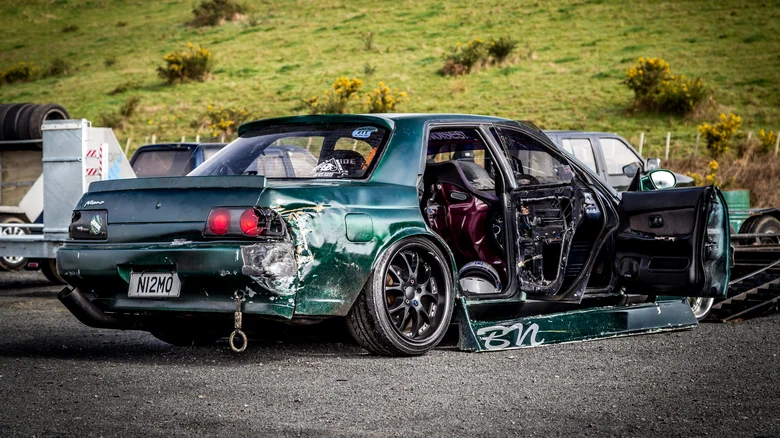
If your custom car is severely damaged, your insurer may declare it a total loss if repairs exceed its ACV or resale value. Under standard policies, the payout will be based on the car’s unmodified market value. However, if you have specialty or agreed value coverage, you’ll be compensated according to the insured value you established.
In some cases, insurers allow owners to buy back the salvage of their totaled car. This can be useful if you want to reclaim expensive aftermarket parts — such as wheels, exhausts, or custom interiors — before the car is scrapped. Keep in mind, though, that removing parts can reduce your final settlement amount.
Tips to Protect Your Investment
If you’ve poured money into your car, protecting that investment requires diligence. Here are key steps every owner should take:
- Disclose every modification — no matter how small. From a tuning chip to a carbon fiber spoiler, your insurer needs to know.
- Keep detailed documentation — receipts, photos, and records of all parts and labor. These help prove your car’s value during claims or appraisals.
- Choose the right coverage — if your mods exceed your base policy’s limit, switch to a specialty or agreed value plan.
- Review your policy annually — as you add more upgrades, your coverage should evolve too.
- Get everything in writing — verbal assurances from agents won’t protect you if a dispute arises later.
Final Thoughts
Insuring a modified car isn’t as simple as signing up for a standard policy. While aftermarket upgrades can transform your car into something extraordinary, they also complicate your insurance coverage. Most base policies won’t cover these custom parts unless you’ve declared them and paid for the necessary add-ons.
For enthusiasts serious about their builds, a specialty or agreed value insurance policy is the safest route. It ensures that your car’s worth — including every bolt-on and paint layer — is recognized and protected. After all, your customized car isn’t just transportation; it’s a personal investment. Treating its insurance with the same level of care ensures that even in the worst-case scenario, your passion and hard work are fully safeguarded.