The American automotive industry is once again at the center of a major policy shift, following the Trump administration’s recent approval of tariff relief measures designed to support domestic vehicle production. The new order aims to reduce the financial strain placed on automakers that build and source vehicles in the United States, while simultaneously imposing new tariffs on imported trucks, parts, and buses. The move signals an intensified push to prioritize homegrown manufacturing and strengthen the domestic supply chain through targeted incentives and penalties.
Tariff Rebates to Encourage U.S. Assembly
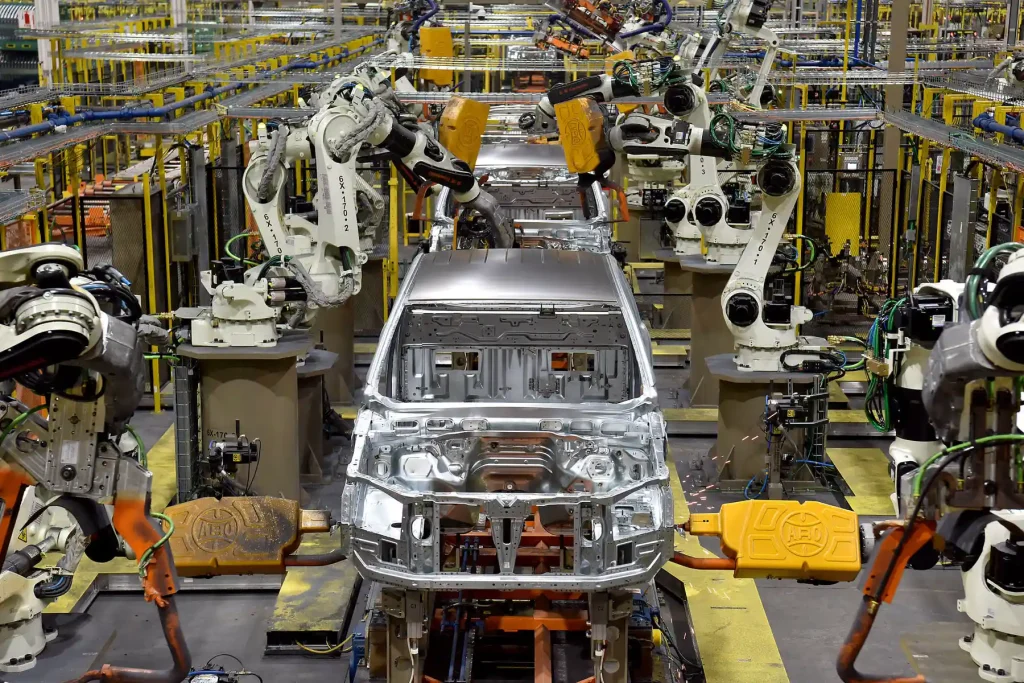
Under the new directive, automakers producing vehicles within the United States will receive up to 3.75 percent back on the manufacturer’s suggested retail price (MSRP) of every U.S.-assembled vehicle sold through 2030. For example, a vehicle sold for $45,000 could yield a rebate of approximately $1,690 per unit. This initiative is intended to encourage manufacturers to maintain or expand production operations in the country, offsetting the rising costs associated with tariffs and raw material shortages.
The policy also extends an import adjustment offset credit for U.S.-assembled engines, as well as for medium- and heavy-duty trucks. This adjustment is expected to counterbalance the inflationary impact of increased import duties on certain foreign components, allowing automakers to sustain competitive pricing without compromising profitability.
New Tariffs Target Imported Trucks and Buses
In addition to offering incentives for domestic production, the administration has introduced new 25 percent tariffs on imported medium- and heavy-duty trucks and their parts. Imported buses will now face a 10 percent tariff, a move that aligns with the administration’s broader goal of reshoring manufacturing jobs and promoting industrial independence from foreign supply chains.
The higher tariffs are expected to make foreign-built vehicles and components significantly more expensive in the U.S. market, encouraging automakers to shift assembly operations and parts sourcing to domestic facilities. This protectionist strategy is intended to stimulate job growth, enhance local manufacturing capacity, and reduce reliance on global suppliers, particularly in the wake of ongoing trade tensions and logistical challenges.
Mixed Reactions from Automakers
The decision has drawn a mix of optimism and concern across the industry. Ford and General Motors, both of which build a substantial share of their trucks in the U.S., welcomed the policy. Ford highlighted the fact that its Super Duty trucks are fully assembled domestically in Kentucky and Ohio, positioning the company to benefit directly from the new rebate structure. Company leaders have described the move as a reaffirmation of the administration’s commitment to protecting American workers, ensuring stable supply chains, and maintaining fair competition among manufacturers.
For Stellantis, however, the new tariffs present a significant challenge. The automaker relies heavily on its Mexican production facilities for building large Ram trucks—vehicles that will now face steep import duties. Without a short-term solution or exemption, Stellantis may encounter substantial cost increases or be forced to accelerate plans to relocate production to U.S. soil. Despite some efforts to shift more operations stateside in recent years, the company remains vulnerable to policy shifts that penalize cross-border manufacturing.
Industry analysts suggest that while the relief measures will benefit U.S.-based automakers, the policy could create friction among North American partners. The U.S.-Mexico-Canada Agreement (USMCA), originally established during the first Trump presidency, will undergo review in early 2026. How these new tariffs interact with existing trade rules under the USMCA remains uncertain, but the potential for renegotiation could dramatically alter production dynamics in the region.
Economic and Strategic Implications
The tariff relief package underscores the administration’s dual strategy of domestic incentive and international restriction—a classic “carrot-and-stick” approach designed to drive investment in U.S. production. The rebates will directly reward companies that employ American labor and source materials locally, potentially leading to expanded factory operations and increased job stability. In contrast, the steep import duties place added pressure on automakers that rely on overseas manufacturing, forcing them to reconsider long-term production strategies.
Economically, the impact of this policy may be multifaceted. While rebates will lower costs for U.S. manufacturers and potentially stabilize retail prices, tariffs on imports may raise overall production expenses for companies with global supply chains. This could ultimately influence consumer prices, especially in the heavy-duty vehicle segment. However, the administration argues that a more self-reliant manufacturing base will enhance long-term stability, reduce trade deficits, and secure critical industrial capacity against future geopolitical disruptions.
Looking Ahead: Opportunities and Uncertainties
The new tariff relief measures are set to remain in place through at least 2030, offering automakers a predictable window to realign their production strategies. For companies already invested in U.S. facilities, such as Ford and GM, this represents a significant opportunity to expand domestic output while gaining financial relief on each vehicle sold. For others, including Stellantis and international manufacturers, the announcement presents both a challenge and a potential catalyst for long-term operational shifts toward American assembly.
At the same time, questions remain regarding the sustainability of this approach. The global automotive industry operates on deeply interconnected supply chains, and sudden shifts in trade policy can create ripple effects that disrupt production timelines and sourcing agreements. The upcoming review of the USMCA and possible political changes in the next administration will likely determine whether these incentives and tariffs remain consistent or evolve further.
Conclusion
President Trump’s new tariff relief order represents one of the most consequential moves for the U.S. automotive sector in recent years. By offering rebates on domestically produced vehicles while increasing tariffs on imported trucks and buses, the administration is doubling down on its “America First” manufacturing agenda. The measures could bolster local production, strengthen supply chains, and safeguard American jobs, but they also risk exacerbating trade tensions and production challenges for companies operating across borders. As the industry adjusts, automakers will need to balance short-term pressures with long-term opportunities in a rapidly shifting economic and political landscape.